Author: swaconsultancy

The Future of Thermal Insulation in 2035
How many people know the present of thermal insulation? Here we are exploring the future of thermal insulation in 2035. Every year, the world’s temperature is increasing. The main reason behind this is global warming. If this trend continues, temperatures above 45°C may become common in most of the regions by 2035. Figure 1. The […]
Read More +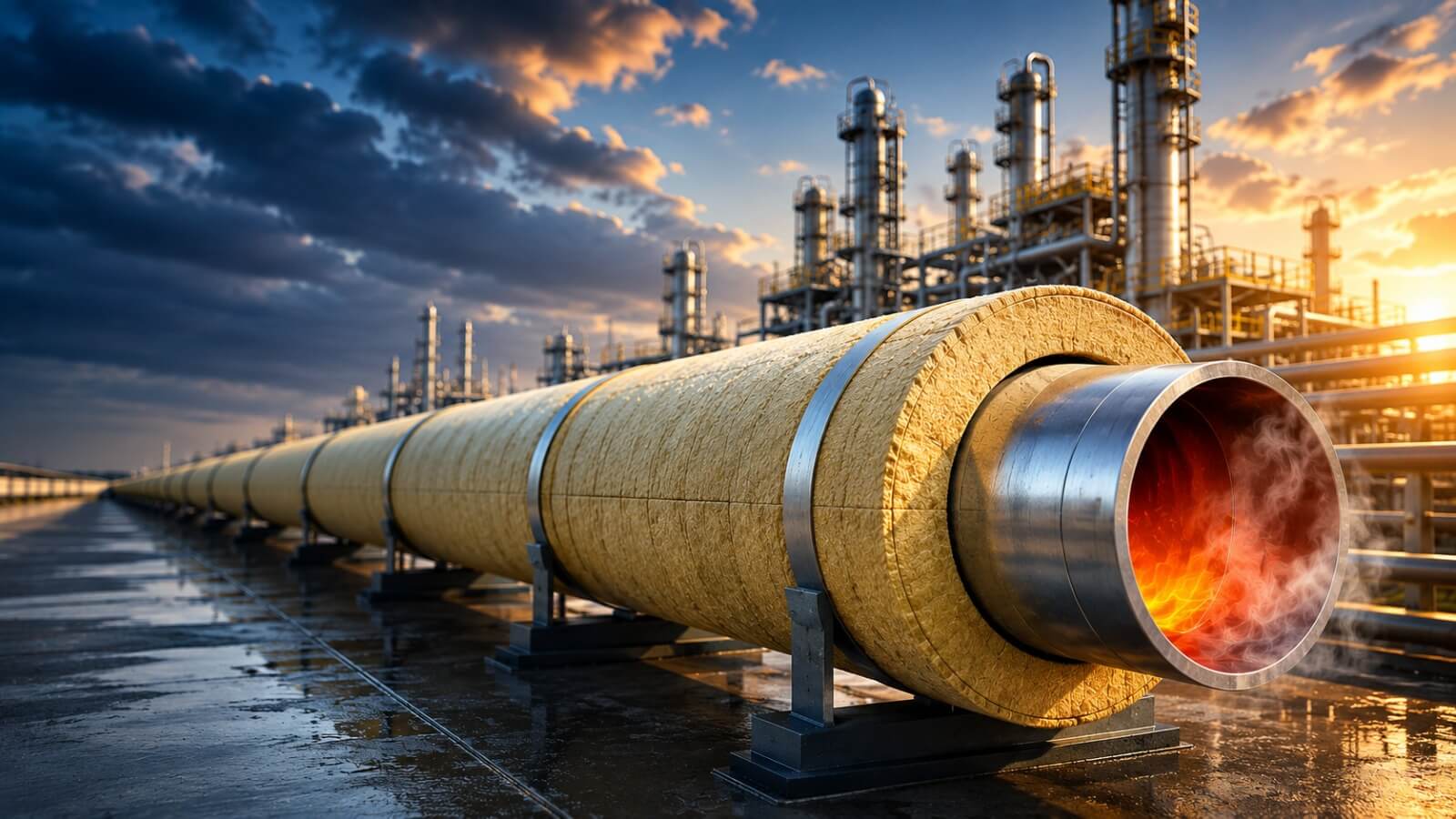
Critical Insulation Thickness: Myth vs Reality for Hot Pipelines
Is More Insulation Always Better? When it comes to hot pipelines, many people assume that adding more insulation will always reduce heat loss. Surprisingly, this is not always true. Reality For cylindrical systems such as steam lines, hot oil pipelines, and process piping, a phenomenon called Critical Insulation Thickness can occur. At very low insulation thicknesses, adding insulation may increase heat […]
Read More +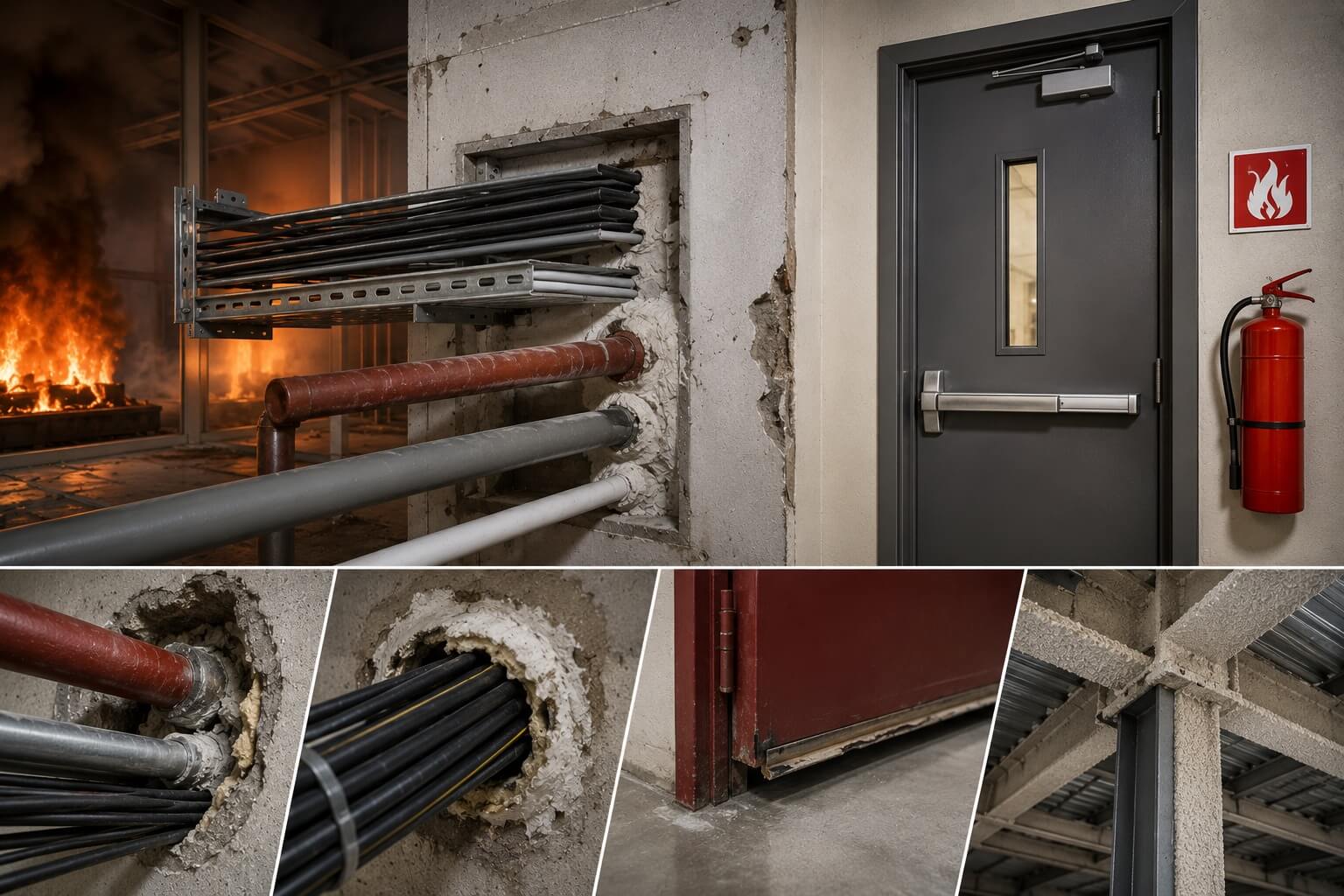
Passive Fire Protection: Why Audits Miss the Real Gaps
Fire safety audits are a critical part of maintaining compliance and protecting people, assets, and operations. However, many organizations discover significant Passive Fire Protection (PFP) deficiencies despite having completed regular audits and inspections. The reason often lies not in the audit itself, but in the approach used. Many audits rely heavily on standardized checklists that […]
Read More +
Envelope Leakage: Why Insulation Alone Cannot Control HVAC Load
The Misunderstood Role of Insulation Thermal insulation resists conductive heat flow through walls, roofs, and floors. By improving the thermal resistance (R-value) and reducing the U-value of building assemblies, insulation limits heat transfer between indoor and outdoor environments. However, insulation does not stop airflow. For HVAC systems, that distinction can be costly. A building may […]
Read More +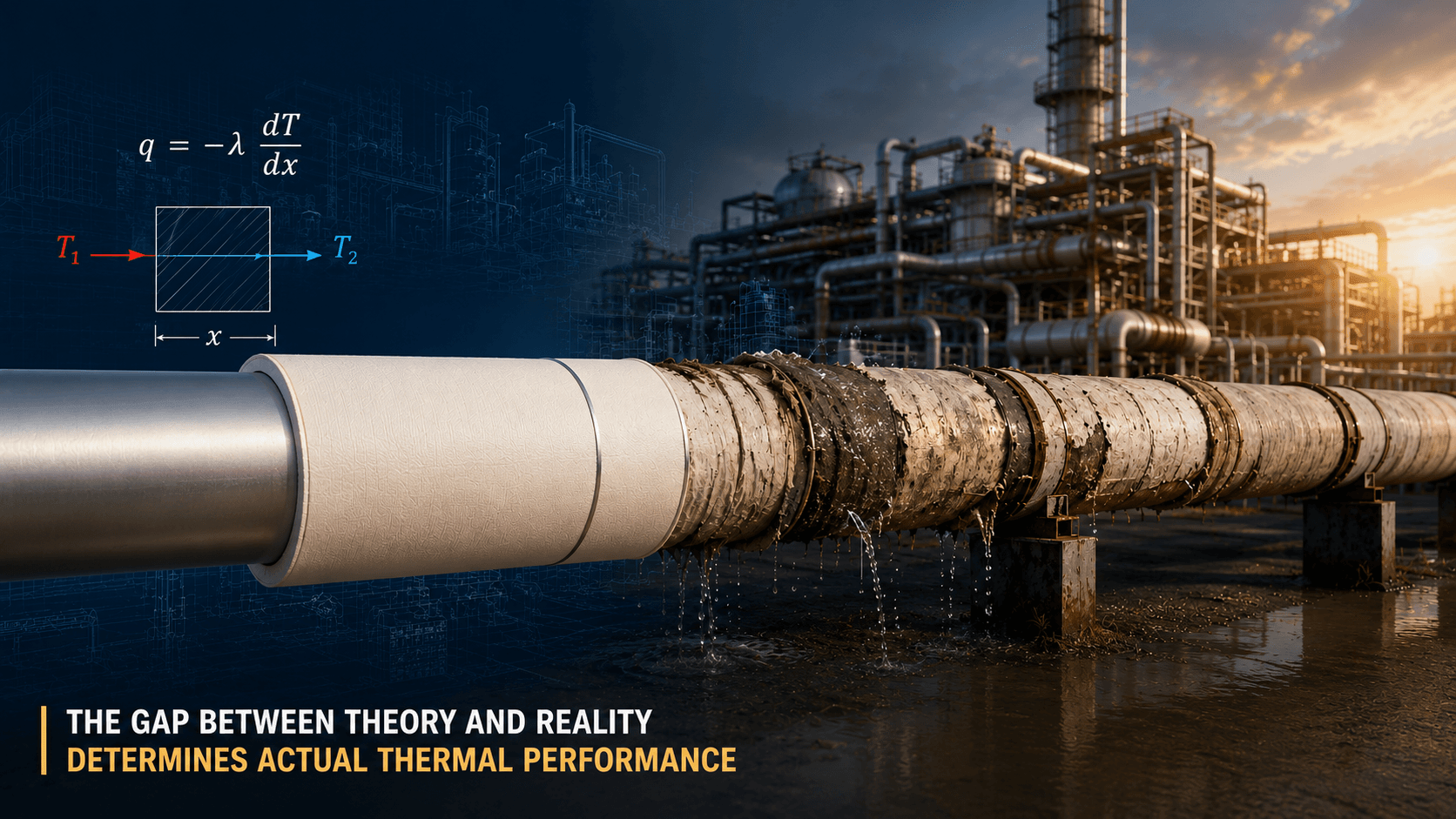
Fourier’s Law in Real Insulation Systems: Where Theory Breaks on Site
Fourier’s law forms the foundation of thermal insulation design. It describes how heat flows through a material due to a temperature difference. It provides the basis for calculating heat loss from buildings, pipelines, tanks, equipment, and industrial processes. Every insulation thickness calculation, energy model, and thermal performance assessment ultimately traces back to this fundamental principle. […]
Read More +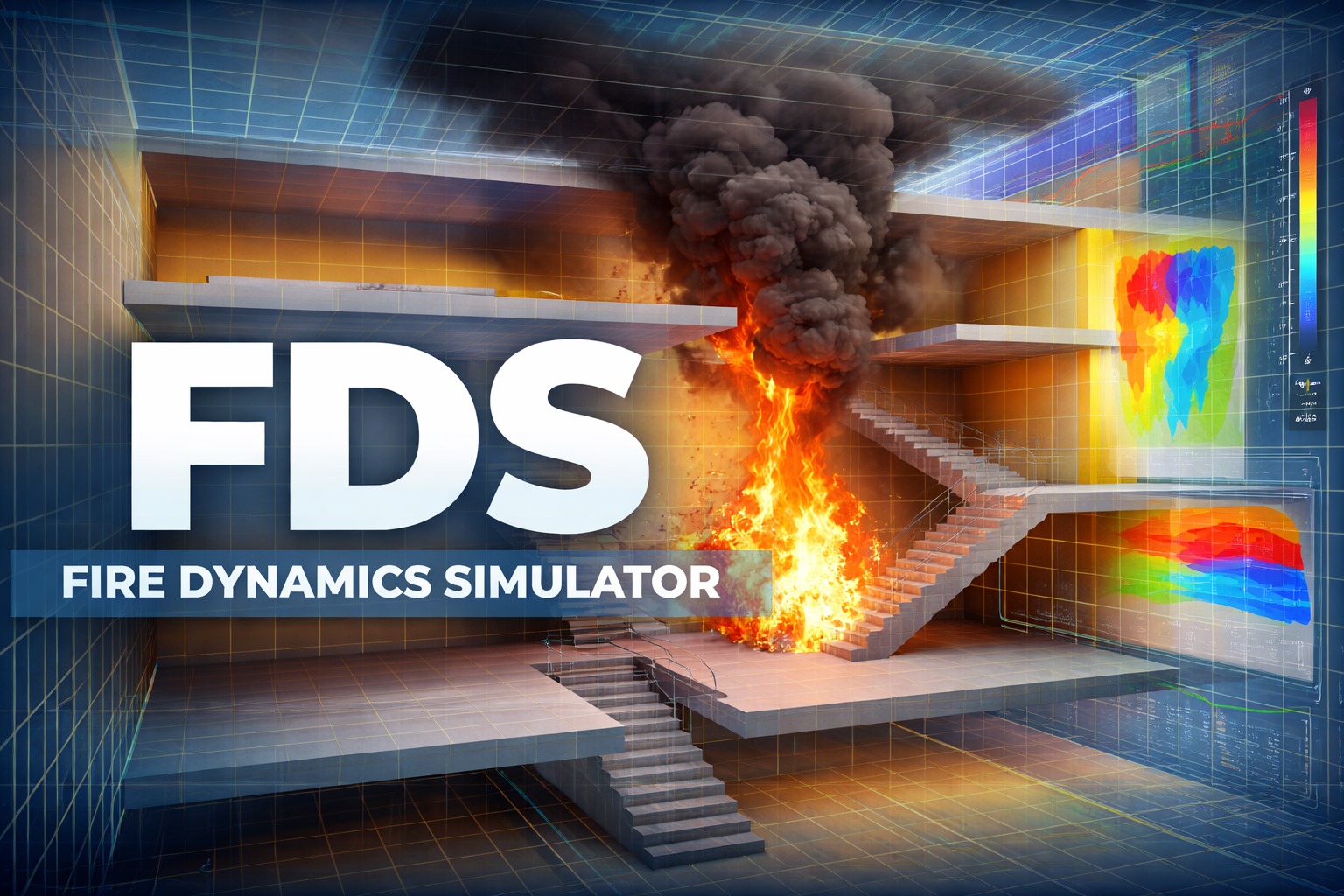
Fire Dynamics Simulator (FDS): Predicting Fire Before It Happens
When Fire Testing Relied Only on Experiments Before simulation tools existed, understanding fire meant physically creating one. Engineers had to design and build dedicated test setups. Fire testing was not just about gathering data, it was equally about managing risk in a live fire environment. The Challenge of Predicting Fire in Real Buildings As buildings […]
Read More +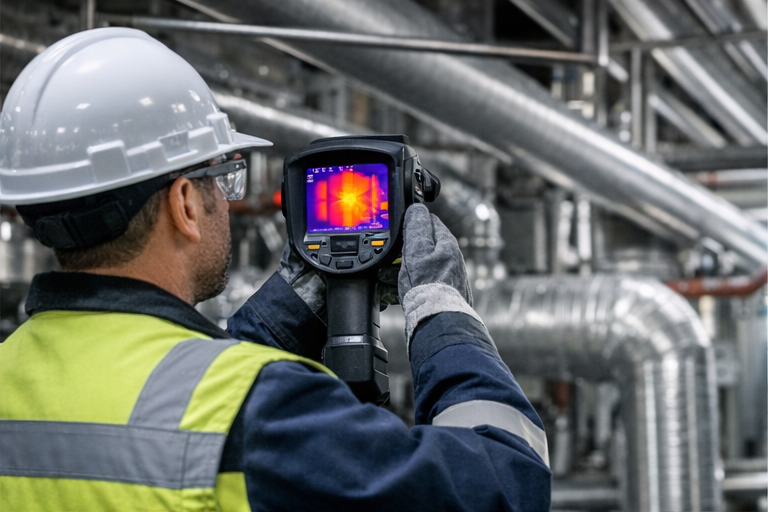
Audit as a Strategic Tool, not a Formality
In today’s industrial world, efficiency is no longer optional — it is strategic. Rising fuel prices, carbon regulations, ESG commitments, and competitive pressures are forcing industries to look inward and optimise every aspect of operations. Yet one of the most overlooked opportunities for improvement lies quietly across pipelines, vessels, boilers, and process equipment. A Thermal […]
Read More +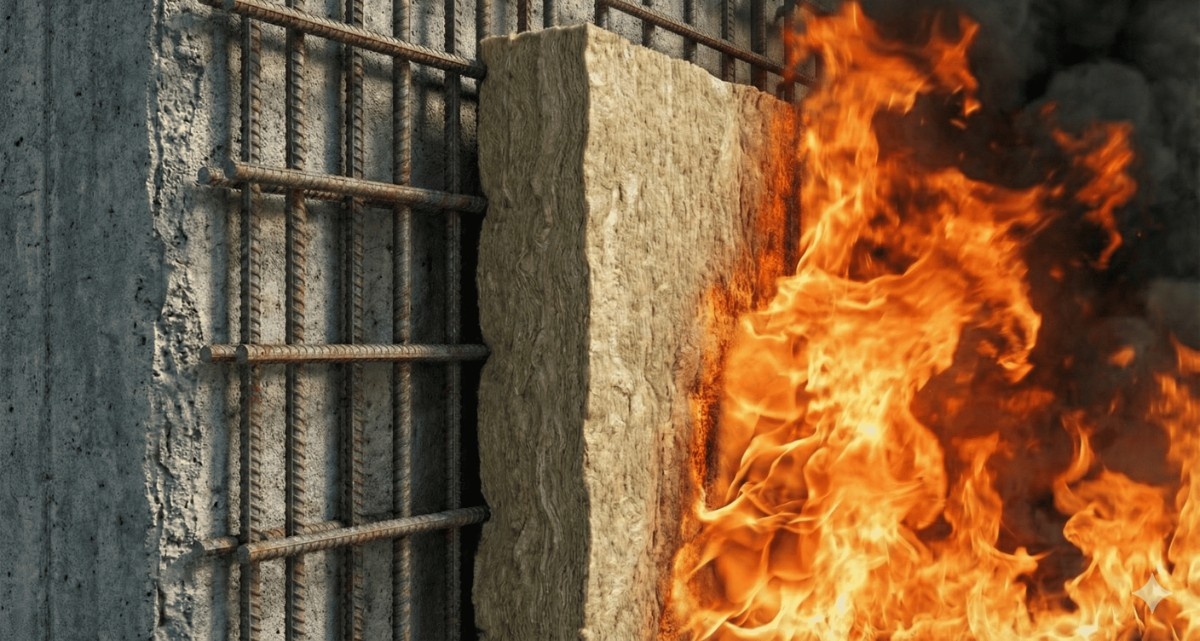
Passive Fire Protection: Designing for Fire Resilience
Fire is fundamentally unpredictable, and no two fire events behave the same way. design. The spread of any fire is dictated by four critical variables: fuel load, ventilation, geometry, and how smoke travels through a building. Understanding these factors is the first step in moving from a reactive mindset to a resilient one. The Anatomy […]
Read More +
Eco-Friendly Insulation: Materials That Save Energy and the Planet
Rock, Paper, Fabric: The Unexpected Sources of High Performance Green Insulation Most homeowners today look beyond energy bills. They want a home that is healthy, sustainable, and built with environmental responsibility in mind. When it comes to achieving true green building, the most critical — and often overlooked — element is the eco-friendly insulation. Fortunately, […]
Read More +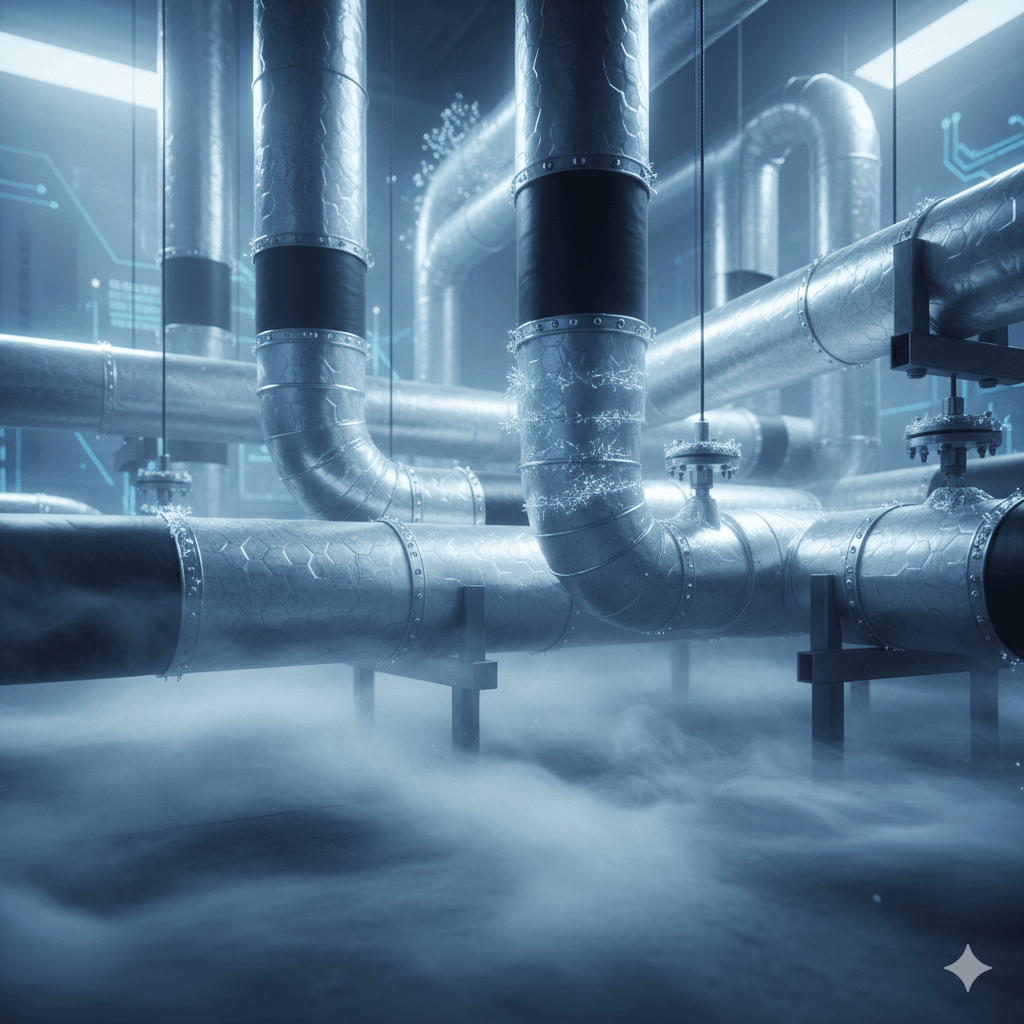
Cold Insulation Guide: No More Sweating Pipes
If you’ve ever noticed moisture forming on chilled-water pipes, AHU lines, or refrigeration lines, you’re witnessing a classic cold insulation failure. And here’s the truth: condensation is not a cooling issue — it’s an insulation issue. Cold insulation isn’t just about keeping things cold; its real purpose is to stop heat and moisture from entering […]
Read More +Recent Blogs