Eco-friendly insulation is one of the most effective upgrades any homeowner can make. It reduces energy costs, improves year-round comfort, and supports a more sustainable future — all at once. Insulation plays a decisive role in controlling heat flow, easing the load on HVAC systems, and maintaining stable indoor temperatures. Choosing insulation materials which are eco-friendly takes these benefits further by combining strong thermal performance with genuine environmental responsibility.
What Are Eco-Friendly Insulation Materials?
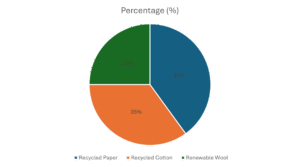
It comes from recycled or naturally renewable sources — giving waste materials a productive second life. The three main types are cellulose (made from recycled newspaper), recycled cotton (repurposed from old textiles), and sheep wool (a natural, renewable fibre). Think of it like recycling your old paper rather than throwing it away — except it gets transformed into something that keeps your home warm all year.
How Eco-Friendly Insulation Performs
Insulation works by trapping tiny pockets of air within its structure. Because air conducts heat poorly, this slows heat loss and keeps temperatures stable. Effectiveness is measured in R-value: the higher the number, the better the insulation. Eco-friendly insulation materials achieve R-values of 3.1–3.8 per inch — matching or exceeding traditional fibreglass. So choosing greener materials means no performance compromise.
Real-World Energy Savings
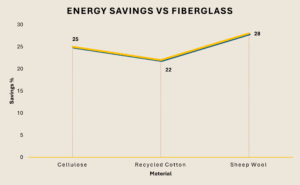
When homeowners switch to environment-friendly insulation, their heating costs drop noticeably. Cellulose reduces heating energy consumption by approximately 25% compared to fiberglass, while sheep wool achieves up to 28% savings. Over a 10-year lifespan, these savings compound significantly, offsetting the initial installation cost.
Environmental Benefits Explained
Beyond your utility bill, it also reduces your home’s environmental footprint. These materials lower manufacturing emissions by 60%, divert 90% more waste from landfills, and contain 75% fewer chemical irritants than synthetic alternatives. Because they’re made from recycled or renewable sources, they reduce dependence on petroleum-based products, the same resource used for oil and gas.
The Smart Choice
Choosing eco-friendly insulation means investing in your home’s comfort, your family’s health through improved indoor air quality, and the planet’s future through reduced emissions. As building codes increasingly require energy efficiency, these materials also future proof your property’s value.
~Lakshya Vaishnav