Rock, Paper, Fabric: The Unexpected Sources of High Performance Green Insulation
Most homeowners today are looking beyond just energy bills. They want a home that is healthy, sustainable, and built with environmental responsibility in mind. When it comes to achieving true “green building,” the most critical and often overlooked element is the insulation.
The good news is that modern engineering has provided effective, high-performing insulation options that minimize environmental impact and maximize indoor air quality.
Here is your guide to the best eco-friendly insulation materials and why they are transforming the residential and commercial construction landscape.
1. Old News, New Warmth: Why Cellulose (Recycled Paper) is a Top-Tier Insulator
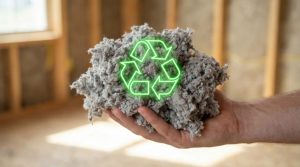
Cellulose is often considered the original sustainable insulation material. It’s effective, affordable, and utilizes a massive waste stream—old paper and cardboard.
What Is It?
Made from up to 85% recycled paper content (such as newspaper and cardboard), cellulose is treated with non-toxic borate to give it excellent fire resistance and pest deterrence. It is typically installed as a dense, loose-fill material using a blower, making it ideal for filling
difficult-to-reach areas.
The Green Benefits:
• High Recycled Content: Significantly reduces landfill waste.
• Low Embodied Energy: Requires less energy to manufacture than fiberglass.
• Superior Air Seal: When dense-packed, cellulose fills cavities and blocks airflow better than traditional batts, improving thermal performance.
2. Naturally Non-Combustible: The Unmatched Safety of Mineral Wool
Mineral wool is the ideal material for those who prioritize both high performance and fire safety without compromising on sustainability.
What Is It?
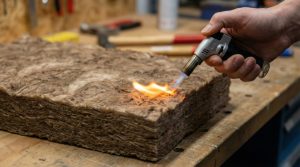
Mineral wool is made primarily from natural rock (basalt) or from steel slag (a waste product of steel production). The material is heated until molten, then spun into dense, non-combustible fibers.
The Green Benefits:
• Recycled/Natural Content: Often contains a high percentage of recycled industrial waste (slag).
• Exceptional Fire Resistance: Mineral wool does not burn and can act as a fire barrier, slowing the spread of fire and increasing exit time, a critical health and safety advantage.
• Moisture Management: It is naturally resistant to moisture and does not promote the growth of mold or mildew, contributing to healthier indoor air quality.
3. Waste to Warmth: Turning Old Denim into High-R-Value Batts
If you are undertaking a renovation or construction project that requires traditional batts, recycled denim and cotton offer an appealing, non-toxic alternative.
What Is It?
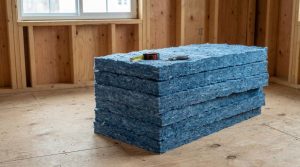
This insulation is manufactured from post-industrial and post-consumer denim and cotton scraps that would otherwise be sent to a landfill. It is treated with borate (like cellulose) for fire and pest resistance.
The Green Benefits:
• Zero Harmful Chemicals: It is formaldehyde-free, making it extremely pleasant to handle and safe for indoor air quality.
• Sustainable Sourcing: Relies on textile recycling, turning waste into a high-value building product.
• Acoustic Performance: The dense fibrous structure offers excellent sounddampening qualities, improving the tranquility of your home.
From Material Selection to Audit: Partnering for True Thermal Efficiency
Choosing an eco-friendly material is only half the battle. True sustainable performance comes from proper application.
A clean, recycled insulation material can still underperform and waste energy if it is improperly installed, compressed, or left with air gaps. This is why a professional audit and installation are just as important as the material itself.
At Swa Consultancy, we specialize in conducting thorough Insulation Audits and Thermal Insulation Design to ensure that your chosen material achieves its maximum environmental and financial benefit. Whether you opt for a green upgrade or a full net-zero build, we ensure your investment performs as intended, protecting your wallet, your comfort, and the planet.
~Vivek Panchal
Ready to make the switch to a healthier, greener home?
Get in touch with us using the phone number or email provided. Follow us on social media
for the latest updates.